Open Space Community acupuncture
Acupuncture for Pain Relief
.Acupuncuncture for Pain Relief in Somerville, Ma and the greater Boston area.
Move more easily, hurt less, feel easier in your body.
Pain is one of the most common things to bring people to acupuncture.
Acupuncture can help your body shift out of holding patterns and begin to release.
HOW IT HELPS
Acupuncture works by:
increasing circulation
reducing inflammation
helping the nervous system settle
Over time, this allows the body to move out of tension and into a more balanced state.
Community acupuncturists get results without having to place needles in the injured or painful area. For example, migraines are often treated using points on the feet.
PAIN CONDITIONS WE COMMONLY HELP:
Migraines
Back pain
Sciatica
Neck and shoulder tension
Acute injuries
Repetitive use injuries like carpal tunnel
Relief is often immediate and then requires follow up treatment for lasting results. Depending on how long the condition has existed, we certainly look to see a shift within the first week or two of treatment.
A NOTE ABOUT CHRONIC PAIN
Pain clinics often refer patients to us. Acupuncture isn’t always a magic bullet, but often it can be an effective part of a broader approach. As our colleagues at Working Class Acupuncture, Oregon, describe it:
“…the latest best practices in pain management suggest trying many different approaches to manage pain… Acupuncture may be a piece of the puzzle; so might medication, exercise, diet, physical therapy, massage, meditation, yoga, and counseling. Every patient’s puzzle is unique, and successful pain management is often the result of painstaking trial and error.”
Our sliding scale is designed to make it possible to try acupuncture and see what relief it can bring your unique condition.
Acupuncture can help your body shift out of holding patterns and begin to release.
HOW IT HELPS
Acupuncture works by:
increasing circulation
reducing inflammation
helping the nervous system settle
Over time, this allows the body to move out of tension and into a more balanced state.
Community acupuncturists get results without having to place needles in the injured or painful area. For example, migraines are often treated using points on the feet.
PAIN CONDITIONS WE COMMONLY HELP:
Migraines
Back pain
Sciatica
Neck and shoulder tension
Acute injuries
Repetitive use injuries like carpal tunnel
Relief is often immediate and then requires follow up treatment for lasting results. Depending on how long the condition has existed, we certainly look to see a shift within the first week or two of treatment.
A NOTE ABOUT CHRONIC PAIN
Pain clinics often refer patients to us. Acupuncture isn’t always a magic bullet, but often it can be an effective part of a broader approach. As our colleagues at Working Class Acupuncture, Oregon, describe it:
“…the latest best practices in pain management suggest trying many different approaches to manage pain… Acupuncture may be a piece of the puzzle; so might medication, exercise, diet, physical therapy, massage, meditation, yoga, and counseling. Every patient’s puzzle is unique, and successful pain management is often the result of painstaking trial and error.”
Our sliding scale is designed to make it possible to try acupuncture and see what relief it can bring your unique condition.
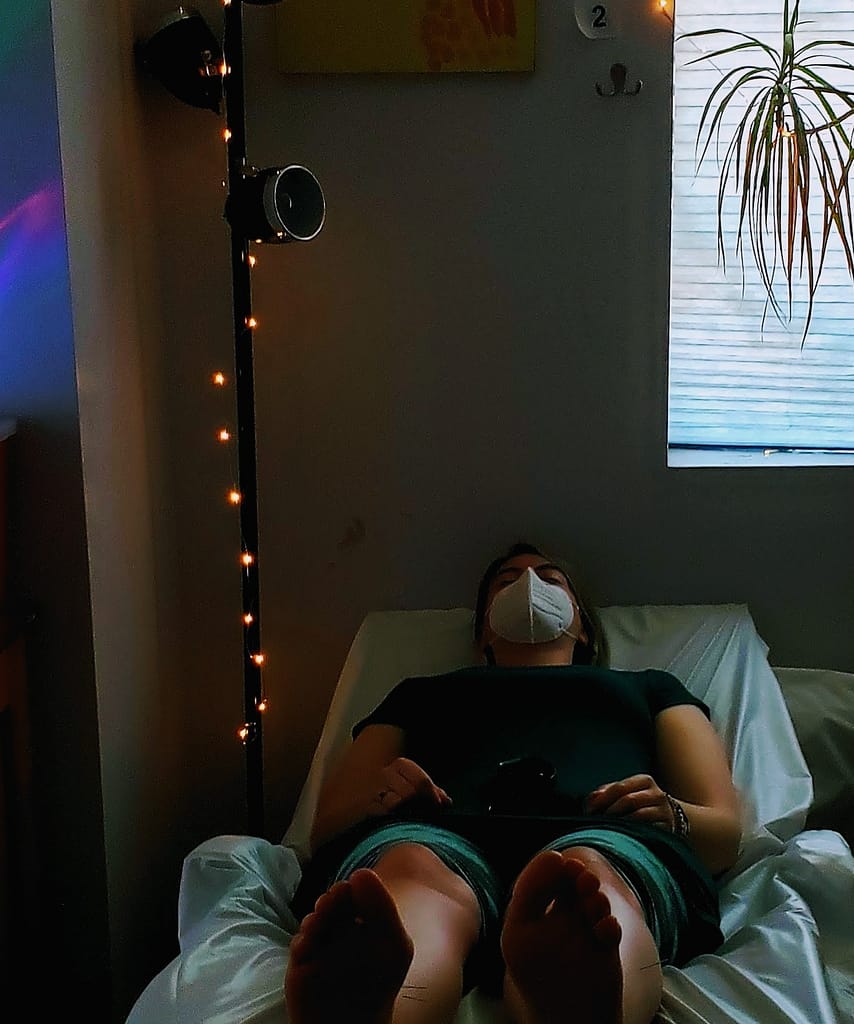
What to expect from treatment
WHY COMING REGULARLY MATTERS
Pain often builds up over time, and it usually takes more than one treatment to get lasting relief. Most people feel the biggest shifts when they come regularly at first, sometimes 2-3 times per week, and then spread treatment out as things improve. Our sliding scale ($35–$50, with a $30 hardship rate) is designed to make that possible. Sessions typically last 40–60 minutes.
What are you waiting for... book an appointment today
Our skilled acupuncturists have delivered over 30,000 acupuncture treatments since we opened, May 1st 2011.